Nyhavn
Established between 1670 and 1673, Nyhavn is Copenhagen’s colorful waterfront harbor, famous for its historic townhouses, canal views, and lively café culture.
Discover the architecture, neighbourhoods and everyday icons of Copenhagen through clean Bauhaus-inspired line illustrations, ready for your colours.
From Nyhavn to Copenhill, this edition explores the sights, local culture and visual character of Copenhagen through a gallery of line illustrations.
Designed for adults who love travel, architecture and creative downtime, the pages use bold composition and open spaces for mindful colouring.
VIEW THE COPENHAGEN BOOK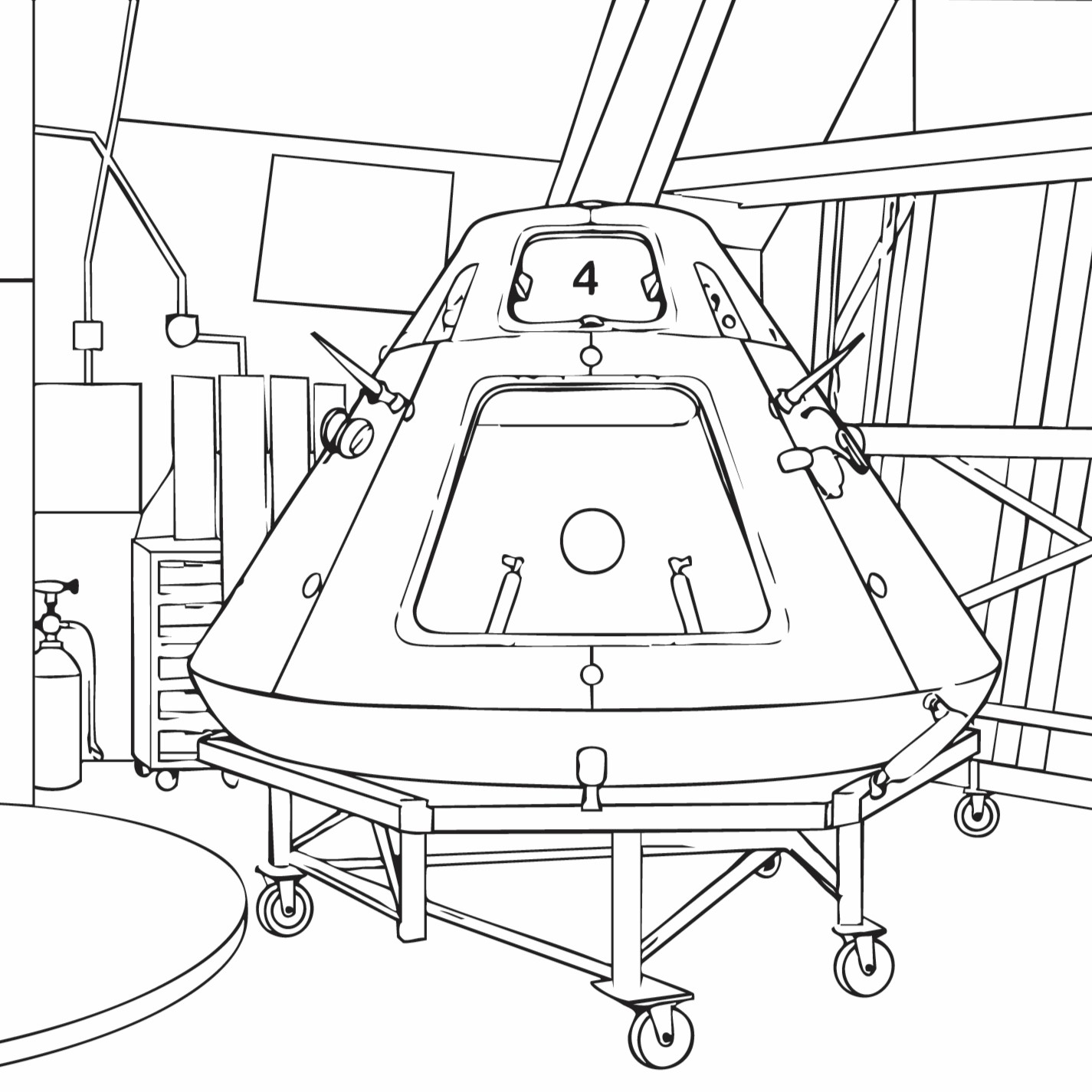
PREVIEW: COPENHAGEN · LINE ART & COLOUR
Discover the places and details that inspired the illustrations in this edition.
Established between 1670 and 1673, Nyhavn is Copenhagen’s colorful waterfront harbor, famous for its historic townhouses, canal views, and lively café culture.
Developed from the late 19th century as Copenhagen’s harbor expanded northward, Nordhavn is now famous as a major waterfront regeneration district blending industry, housing, and sustainable city planning.
Opened in 1999, the Black Diamond is the striking waterfront extension of the Royal Danish Library, famous for its black granite façade and cultural events.
Founded in 1934 and expanded in 2005, Amager Strandpark is Copenhagen’s popular seaside park, famous for its beaches, lagoons, and outdoor recreation.
Opened in 1911, Copenhagen Central Station is Denmark’s busiest rail hub, famous for connecting the capital with the rest of the country and beyond.
Unveiled in 1913, The Little Mermaid is Copenhagen’s most famous statue, inspired by Hans Christian Andersen’s fairy tale and beloved as a city symbol.
Completed in 1642, the Round Tower is famous for its spiral ramp, observatory, and panoramic city views.
Enclosed as a royal deer park in 1669, Dyrehaven is famous for its free-roaming deer, old hunting landscape, and protected forest setting north of Copenhagen.
Opened in 2018 on the former shipyard site of Refshaleøen, Reffen is famous as Northern Europe’s largest street food market and a creative waterside hangout.
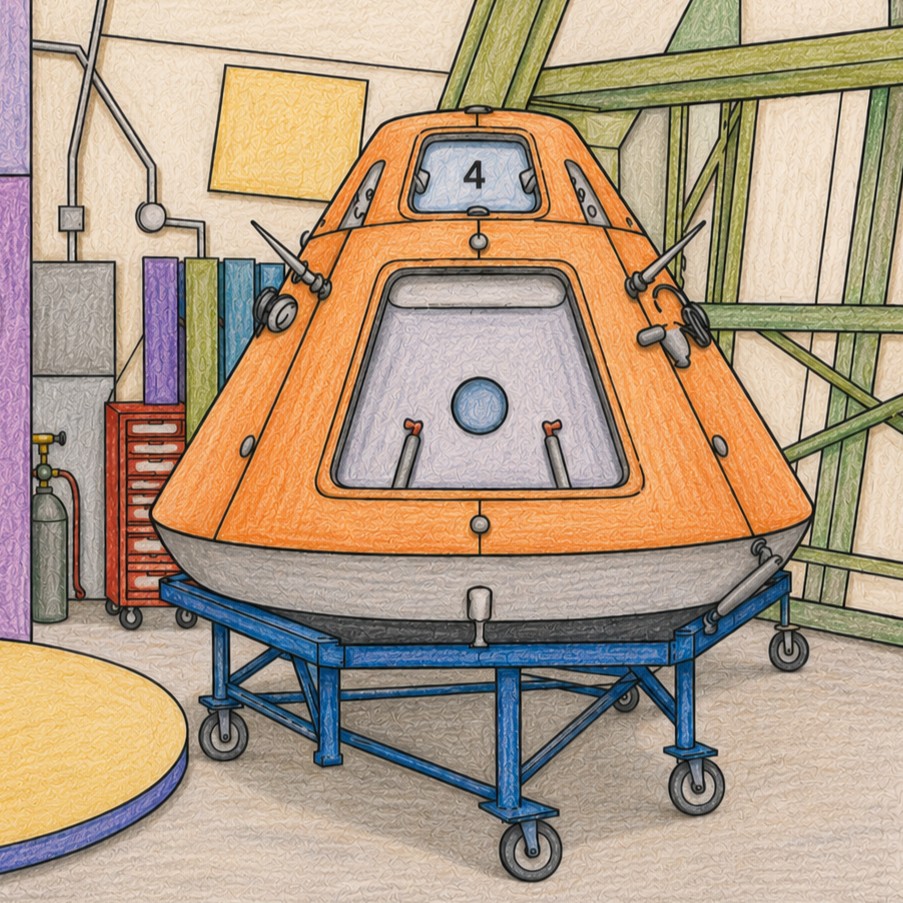
Founded in 2008, Copenhagen Suborbitals is famous as the world’s only amateur, non-profit human spaceflight project.
Opened in 1843, Tivoli Gardens is famous as one of the world’s oldest amusement parks, blending rides, gardens, and cultural entertainment.
A traditional Danish open-faced sandwich with roots in the 19th century, smørrebrød is famous as a classic part of Copenhagen’s food culture.
Founded in 1971 on a former military area, Christiania is famous as Copenhagen’s self-governing free town, known for alternative culture, art, and debate.
Located on Copenhagen’s main pedestrian street, the LEGO Store is famous for celebrating Denmark’s most iconic toy brand in the heart of the city.
Completed in 1695, with its famous spiral external staircase added in 1752, the Church of Our Saviour is known for its dramatic tower and sweeping city views.
Developed over the 20th century and especially after the 1970s, Copenhagen’s bicycle culture is famous worldwide for its everyday cycling, safe infrastructure, and citywide mobility.
Opened in 2019, CopenHill is famous as a waste-to-energy plant with a ski slope, hiking trail, and climbing wall on its roof.
Explore the Copenhagen edition and the wider Page Craft Studio city colouring book collection.