Flinders Street Station
Completed in 1854 and rebuilt into its famous current form in 1910, this landmark is Melbourne’s historic rail hub and one of the city’s most recognizable meeting points.
Discover the architecture, neighbourhoods and everyday icons of Melbourne through clean Bauhaus-inspired line illustrations, ready for your colours.
From Flinders Street Station to Queen Victoria Market, this edition explores the sights, local culture and visual character of Melbourne through a gallery of line illustrations.
Designed for adults who love travel, architecture and creative downtime, the pages use bold composition and open spaces for mindful colouring.
VIEW THE MELBOURNE BOOK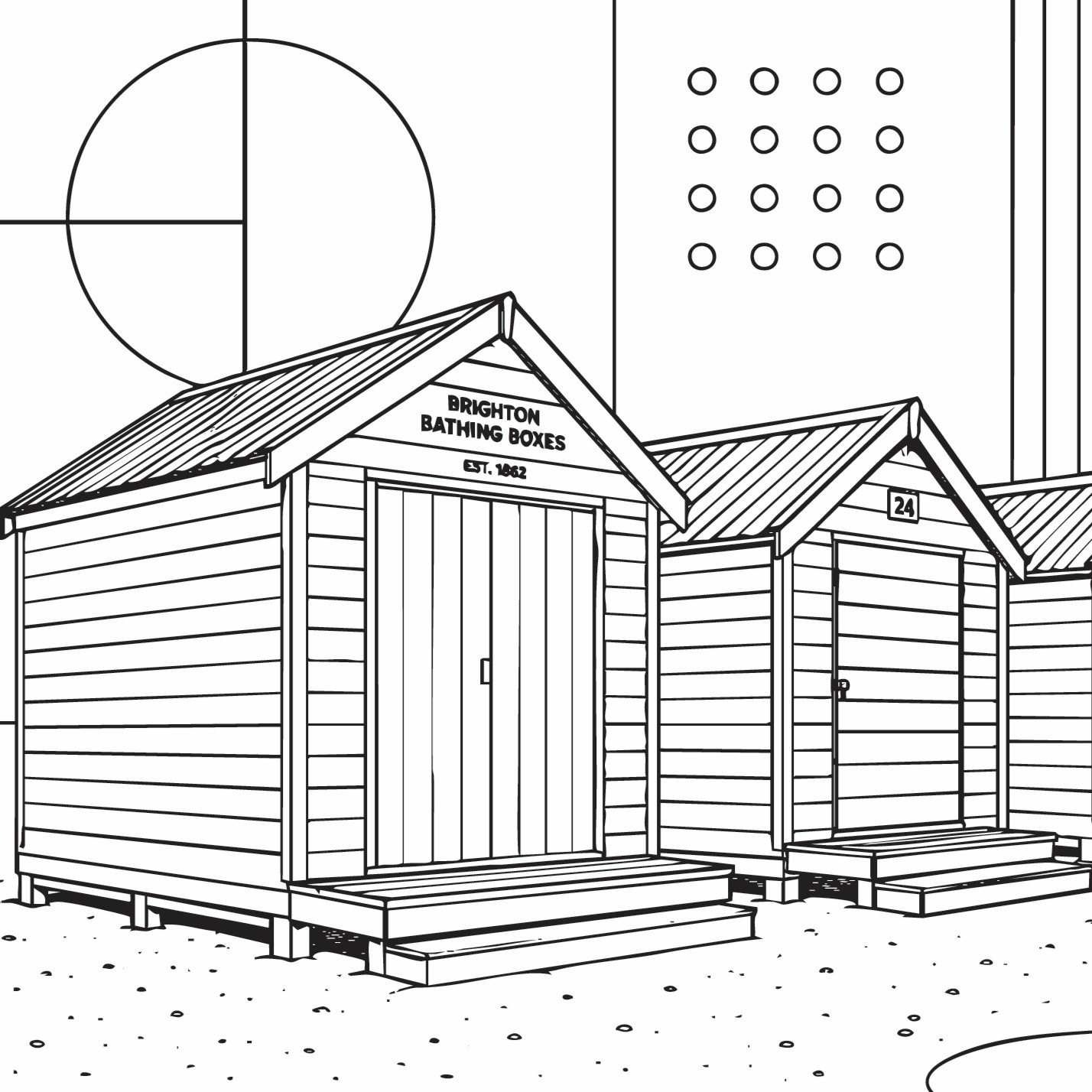
PREVIEW: MELBOURNE · LINE ART & COLOUR
Discover the places and details that inspired the illustrations in this edition.
Completed in 1854 and rebuilt into its famous current form in 1910, this landmark is Melbourne’s historic rail hub and one of the city’s most recognizable meeting points.
Opened in 2002, Fed Square is Melbourne’s modern cultural heart, known for events, museums, public gatherings, and its bold angular architecture.
Rising to fame in the late 1990s, Hosier Lane is Melbourne’s most iconic street-art laneway, celebrated for its constantly changing murals and creative energy.
Dating back to 1857, the Princess Theatre is a grand Victorian-era venue famous for its ornate design and long-running stage productions.
Opened in 1912, Luna Park is a beloved seaside amusement park best known for its smiling entrance and classic carnival atmosphere.
RMIT’s city buildings grew from the late 19th and 20th centuries, and the campus is famous for its strong design, architecture, and inner-city presence.
Established in 1954, Pellegrini’s is a legendary Melbourne institution famous for authentic Italian coffee, simple food, and old-school atmosphere.
Opened in stages from the 1980s, the Arts Centre is Melbourne’s major performing arts precinct, famous for its spire and world-class shows.
Opened in 2010, AAMI Park is Melbourne’s modern stadium, famous for its distinctive bubble-like roof and major sports and concert events.
Completed in 1999, the Bolte Bridge is a major traffic link over the Yarra River, famous for its striking twin-pylon design.
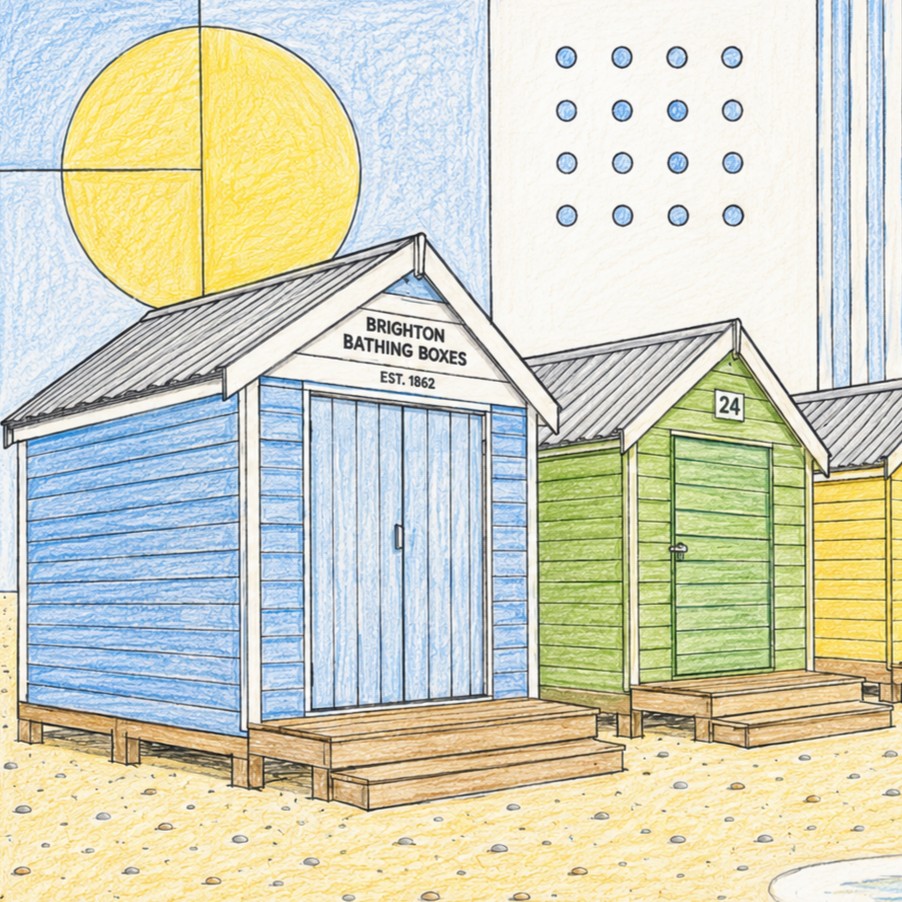
First established in 1862, these colorful beach huts are famous as a postcard-perfect symbol of Melbourne’s seaside charm.
A classic Melbourne treat, this combo is famous for pairing the city’s coffee culture with a warm, nostalgic snack.
Built mainly between 1858 and 1939, this cathedral is famous for being one of Melbourne’s finest Gothic Revival landmarks and a major Catholic church.
Completed in 1986, the Rialto Towers were once Melbourne's tallest buildings and are famous for their sleek skyline presence, distinctive blue-tinted glass façade, and premium upper-floor dining.
Established by the Sisters of the Good Shepherd in 1863, this heritage site is famous for its beautiful historic buildings, gardens, and thriving community arts scene.
Established during the gold-rush era, Melbourne’s Chinatown is famous as the oldest continuously operating Chinatown in the Southern Hemisphere.
Opened in 1878, Queen Victoria Market is famous as Melbourne’s largest historic open-air market and a vibrant place for food, shopping, and local culture.
Explore the Melbourne edition and the wider Page Craft Studio city colouring book collection.